
Sewer Pumps vs. Sump Pumps: Getting the Right Tool for the Job
23 July 2026
Groundwater sump pump systems prevent basement flooding by removing groundwater. They pump relatively clean water from a sump pit. Sewer pumps move wastewater and solid waste to the main sewer line. These pumps handle sewage from fixtures located below the sewer line, like a basement bathroom or laundry room.
Although sump pumps and sewer pumps can look similar at first glance, they are built for completely different jobs. A sump pump is a dewatering pump.
It protects your basement from groundwater, rainwater, and snowmelt that collect around the foundation. A sewer pump, also called a sewage ejector pump, is a wastewater pump.
It moves blackwater and solid waste from plumbing fixtures up to the home's main sewer or septic line.
Using the wrong pump can cause serious damage. A sump pump is not designed to handle sewage, toilet paper, wipes, grease, or solids. A sewer pump is not intended to replace a sump pump for routine groundwater removal. Choosing the right system starts with one question: what kind of water are you moving?
Quick Comparison: Sewer Pump Vs. Sump Pump
| Feature | Sump Pump | Sewer Pump / Sewage Ejector Pump |
|---|---|---|
| Main purpose | Removes groundwater from a sump pit | Moves wastewater and sewage to the main sewer line |
| Water type | Relatively clean groundwater | Wastewater, blackwater, and soft solids |
| Common use | Basement flood prevention | Basement bathroom, laundry room, utility sink, or fixtures below the sewer line |
| Basin type | Usually open or loosely covered sump pit | Sealed and vented sewage basin |
| Typical discharge pipe | Often 1.25" to 1.5" | Commonly 2" or larger, depending on system requirements |
| Handles solids? | No | Yes, depending on pump type |
| Vent required? | Usually no dedicated sewer-gas vent | Yes, sewer basin must be properly vented |
| DIY-friendly? | Some replacements may be simple | Usually should be installed by a qualified plumber |
The Core Difference: Clean Groundwater Vs. Raw Sewage
The biggest difference between a sump pump and a sewer pump is not the shape of the pump. It is what the pump is expected to move.
A sump pump moves groundwater. This water may contain small amounts of dirt, silt, or grit, but it should not contain sewage, toilet paper, food waste, wipes, or heavy debris.
A sewer pump moves wastewater. This can include water from toilets, sinks, showers, tubs, washing machines, and floor drains, depending on how the system is designed. In a basement bathroom, the pump must be able to move both liquid waste and soft solids.
That difference changes the entire system: the pump design, basin, lid, venting, pipe size, valves, maintenance requirements, and safety risks.
What a Sump Pump Does
A sump pump protects a basement or crawl space from flooding caused by groundwater. It sits inside a sump pit at the lowest practical point of the basement or foundation drainage system.
When rain, melting snow, or a high water table pushes water toward the foundation, that water collects in the sump pit. Once the water reaches a set level, a float switch turns the pump on. The pump then moves the water through a discharge pipe and away from the home.
A sump pump is commonly used when:
- A basement has a history of seepage or flooding
- The home is in an area with a high water table
- Foundation drains lead into a sump pit
- Heavy rain causes water to collect below the slab
- The homeowner wants flood protection for a finished basement
Many Adelaide homes use submersible pumps for pit drainage that sit fully underwater in the basin. A sump pump is not designed for sewage. It should not be connected to a toilet, basement sink, washing machine, shower, or any fixture that sends dirty wastewater into the pit unless the system has been specifically designed and approved for that use.
What a Sewer Pump Does
A sewer pump, often called a sewage ejector pump, solves a gravity problem.
Most plumbing systems rely on gravity. Waste flows downhill from fixtures into the main sewer or septic line. But when a bathroom, laundry room, utility sink, or shower is installed below the level of the main drain line, wastewater cannot flow uphill on its own.
That is where a sewer pump station comes in.
Wastewater flows into a sealed sewage basin. When the basin fills to a set level, the pump turns on and ejects the wastewater upward through a discharge pipe. The waste is then carried into the home's main sewer or septic line.
A sewer pump is commonly needed for:
- Basement bathrooms
- Basement laundry rooms
- Utility sinks below the main sewer line
- Below-grade showers or tubs
- Commercial restrooms below sewer level
- Outbuildings or low-lying areas where gravity drainage is not possible
Unlike a sump pit, a sewage basin must be sealed and vented. This is essential because sewage produces odors and sewer gases that should not enter the home.
Why You Should Not Use a Sump Pump for Sewage
A sump pump may fit inside a pit and may move water, but it is not built to move sewage.
Sump pumps usually have impellers and pump passages designed for relatively clean water. Human waste, toilet paper, wipes, hair, lint, grease, and other debris can clog the intake, jam the impeller, or burn out the motor. Even if the pump runs for a short time, the system is likely to fail.
Using a sump pump for sewage can lead to:
- Clogged pump components
- Sewage backups
- Basement contamination
- Strong odors
- Motor failure
- Health hazards
- Expensive cleanup and repair
A sump pit is also not a safe sewage basin. Sewage must be contained in a sealed, gas-tight basin with proper venting. An open or loosely covered sump pit should never be used as a sewage collection basin.
Why You Should Not Use a Sewer Pump as a Sump Pump
A sewer pump is stronger in some ways, but that does not automatically make it the right choice for groundwater.
Sewer pumps are designed for wastewater systems, sealed basins, and specific discharge conditions. They may not be the most efficient or appropriate option for moving large volumes of relatively clean groundwater during storms. A proper sump pump system is usually better suited for frequent cycling, foundation drainage, and flood protection.
For basement flood prevention, use a sump pump. For below-grade wastewater, use a sewer pump station.
Types of Sewer Pumps
Not all sewer pumps work the same way. The right choice depends on the fixtures connected to the system, the vertical lift, the pipe distance, and the type of waste the pump may receive.
Sewage Ejector Pumps
A sewage ejector pump is the standard choice for many residential basement bathrooms. It is often called a solids-handling pump, but in many cases it is more accurate to think of it as a solids-passing pump.
A typical residential ejector pump does not grind waste. Instead, it is designed with enough internal clearance to pass soft solids, often up to 2 inches in diameter, depending on the model.
A sewage ejector pump is usually appropriate for:
- A basement bathroom in a single-family home
- Normal toilet waste and toilet paper
- A short to moderate pumping distance
- A standard gravity sewer or septic connection
- A controlled environment where improper flushing is unlikely
A sewage ejector pump should not be treated like a trash disposal. Wipes, paper towels, feminine hygiene products, diapers, rags, dental floss, and grease can still cause clogs.
Grinder Pumps
A grinder pump is more aggressive. It uses cutting components to grind waste into a slurry before pumping it through the discharge line. These systems are closely related to cutting and grinding sewage pumps used where solids must be shredded before discharge.
Grinder pumps are often used when:
- Waste must travel a long distance
- The system must pump to a higher elevation
- The discharge pipe is smaller
- The property connects to a low-pressure sewer system
- The installer cannot control what users may flush
- The application has a higher clog risk
A grinder pump can handle some materials that would clog a standard ejector pump, but it is not indestructible. "Flushable" wipes, heavy solids, grease, and foreign objects can still damage the system or shorten its service life.
What Is a Sewer Pump Station?
A sewer pump station, also called a sewage lift station, is the complete system that collects and pumps wastewater. The pump itself is only one part of the system.
A residential sewer pump station usually includes:
Sealed Basin
The basin collects wastewater from the connected fixtures. It is usually made from durable plastic, fiberglass, or another corrosion-resistant material. Unlike a sump pit, the sewage basin must be sealed.
Sewage Pump
The pump sits inside the basin and moves wastewater through the discharge pipe. The pump may be a sewage ejector pump or a grinder pump, depending on the application.
Float Switches
Float switches control when the pump turns on and off. As wastewater rises in the basin, the float activates the pump. When the level drops, the pump shuts off.
Some systems include a separate high-water float connected to an alarm.
Check Valve
A check valve prevents pumped wastewater from flowing back into the basin after the pump shuts off. Without a working check valve, the pump may short-cycle, run too often, or fail prematurely.
Shutoff Valve
A shutoff valve, such as a gate valve or ball valve, allows the discharge line to be isolated during service. This makes maintenance safer and cleaner.
Sealed Lid
The lid should be bolted or secured with a gasket to contain odors and sewer gases. A loose or unsealed lid is a sign that the system needs attention.
Vent Pipe
The vent pipe allows sewer gases to leave the basin safely and helps the plumbing system drain properly. Proper venting is a safety requirement, not an optional feature.
Alarm
A high-water alarm warns you when the basin level rises too high. This usually means the pump has failed, the float is stuck, the discharge line is blocked, or the power is out. The alarm gives you time to stop using the fixtures and call for help before a sewage backup occurs.
Installation Considerations
A sewer pump station is not the same as a simple pump replacement. It is part of the plumbing, electrical, drainage, and venting system of the home. Because sewage, sewer gas, and electrical components are involved, installation should usually be handled by a qualified plumber and electrician where required.
Important installation factors include:
Correct Pump Sizing
The pump must be sized for the total dynamic head, which includes vertical lift, pipe length, fittings, friction loss, and required flow rate. A pump that is too small may not move waste reliably. A pump that is too large may cycle improperly or create other system problems.
Proper Basin Size
The basin must be large enough for the fixture load and pump cycle. A basin that is too small can cause short cycling. A basin that is too large or poorly configured can allow solids to settle.
Proper Discharge Pipe Size
Sewer pumps typically require larger discharge piping than sump pumps. Many residential sewage ejector systems use 2-inch discharge piping, but the correct size depends on the pump, code requirements, and system design.
Sealed and Vented Basin
The basin must be sealed to contain sewage and odors. It must also be vented to safely route sewer gases out of the home and support proper drainage.
Dedicated Electrical Circuit
A sewage pump should be connected to an appropriate power supply, often on a dedicated circuit. This helps prevent nuisance trips and reduces the risk of losing pump power because another appliance overloaded the circuit.
Accessible Service Location
The pump, lid, valves, and alarm should be accessible for inspection and maintenance. A system buried behind finished walls or flooring can become expensive to service.
Maintenance Tips for Sewer Pump Stations
A sewer pump station works hard, and neglect can shorten its life. Regular pump station maintenance helps prevent clogs, backups, odors, and pump failure.
Use these basic maintenance practices:
- Do not flush wipes, even if the package says "flushable."
- Do not flush paper towels, feminine hygiene products, diapers, rags, dental floss, or cotton swabs.
- Keep grease, fats, and oils out of drains connected to the system.
- Listen for unusual noises, long run times, or frequent cycling.
- Test the alarm periodically if the system has one.
- Have the pump, floats, basin, and valves inspected on a regular schedule.
- Call a plumber if the alarm sounds, sewage odors appear, or fixtures drain slowly.
A well-maintained sewage pump can last for years, but service life depends on usage, pump quality, installation quality, and what goes down the drain. For broader servicing guidance, see when to service a water pump.
Maintenance Tips for Sump Pumps
A sump pump also needs periodic attention, especially before rainy seasons.
Basic sump pump maintenance includes:
- Check that the float moves freely.
- Make sure the discharge line is not blocked or frozen.
- Clean debris from the pit.
- Test the pump by adding water to the pit.
- Confirm that water is discharged away from the foundation.
- Consider a battery backup system if power outages are common during storms.
A battery backup is especially important because heavy rain and power outages often happen at the same time. Without backup power, the main pump may not run when the basement needs it most. If your sump system is noisy, leaking, or failing to start, review the signs a water pump needs replacement or repairing.
How to Choose the Right Pump
Choosing between a sump pump and a sewer pump is straightforward once you identify the water source.
Choose a Sump Pump If:
- You are removing groundwater
- Water is entering from around the foundation
- The goal is basement flood prevention
- The pit collects rainwater or snowmelt seepage
- No toilet, sink, shower, or laundry fixture drains into the basin
Choose a Sewer Pump If:
- You are installing a basement bathroom
- A toilet, shower, sink, or laundry fixture is below the main sewer line
- Wastewater must be pumped uphill
- The basin receives sewage or graywater
- The system requires a sealed and vented sewage basin
Choose a Grinder Pump If:
- Waste must be pumped a long distance
- The system has a high vertical lift
- The property connects to a low-pressure sewer system
- There is a higher risk of improper items being flushed
- The system design specifically calls for a grinder pump
Choose a Duplex System If:
- The application is critical
- The pump serves multiple fixtures or a commercial space
- Downtime would cause major damage or disruption
- You want redundancy in case one pump fails
A duplex system uses two pumps. The pumps often alternate during normal operation. If one pump fails, the second pump can take over, and the alarm can alert the owner to the problem.
Common Mistakes to Avoid
Connecting a Sink or Washer to a Sump Pit
This is a common shortcut, but it is a bad idea. Soap, lint, hair, food particles, and grease can clog a sump pump and contaminate the pit. Wastewater fixtures should drain into an approved sewage or graywater system, not a groundwater sump pit.
Leaving a Sewage Basin Unsealed
A sewage basin should not smell like an open drain. If the lid is loose, cracked, missing bolts, or lacking a gasket, sewer gases and odors can enter the home.
Skipping the Check Valve
Without a check valve, wastewater can flow back into the basin after each pump cycle. This makes the pump work harder and increases wear.
Ignoring the Alarm
A high-water alarm means the system needs immediate attention. Stop using connected fixtures and call a qualified plumber.
Treating the Pump Like a Garbage Disposal
Even a grinder pump has limits. Wipes, rags, grease, and foreign objects can damage the system.
Frequently Asked Questions
Do I Need a Sewer Pump or a Sump Pump for a Basement Bathroom?
You need a sewer pump, usually a sewage ejector pump. A basement bathroom produces wastewater and sewage. A sump pump is only for relatively clean groundwater and should not be used for toilet waste.
Can a Sump Pump Handle Toilet Waste?
No. A sump pump is not designed to move sewage, toilet paper, or solids. Using one for toilet waste can cause clogs, pump failure, sewage backup, odors, and health hazards.
Can I Connect a Basement Sink to a Sump Pump?
No, not in a typical residential setup. A sink can send soap, grease, hair, lint, and debris into the basin. That can clog the pump and contaminate the sump pit. A sink below the sewer line should drain into a properly designed wastewater pump system.
Why Does a Sewer Pump Basin Need to Be Sealed?
A sewer pump basin contains wastewater and sewage. The sealed lid helps contain odors, bacteria, and sewer gases. The basin also needs proper venting so gases are safely routed out of the home.
What Is the Difference Between an Ejector Pump and a Grinder Pump?
An ejector pump passes soft solids through the pump and discharge line. A grinder pump cuts waste into a slurry before pumping it. Ejector pumps are common for standard basement bathrooms. Grinder pumps are used for more demanding applications, such as long runs, high lift, or low-pressure sewer systems.
How Long Does a Sewer Pump Last?
Service life varies based on pump quality, installation, maintenance, usage, and what enters the system. A properly installed and maintained pump can last for years, while a neglected pump or one exposed to wipes, grease, and debris may fail much sooner.
Should I Install a Sewer Pump Myself?
A sewer pump station is usually not a good DIY project. The system involves sewage containment, venting, discharge piping, check valves, electrical power, and local plumbing requirements. A qualified professional can size and install the system correctly.
Bottom Line
Use a sump pump for groundwater. Use a sewer pump for wastewater and sewage. If the system serves a basement bathroom, laundry room, shower, sink, or any fixture below the main sewer line, it needs a properly sealed and vented wastewater pump system.
The safest choice is to match the pump to the job, size it correctly, install the right basin and valves, and keep improper materials out of the system. When sewage is involved, professional installation is worth it. A well-designed sewer pump station can make below-grade plumbing reliable. The wrong pump can create a costly and unpleasant failure.
Need help choosing or installing the right pump in Adelaide? Call 0429 361 819 or request a quote from Mayfair Plumbing.
What our customers say
We have used Aaron's service a few times now and he has always replied promptly, given a definite time, and fixed the…
A big thank you to Aaron. Out of 6 companies I'd emailed requesting a ballpark quote for a to-do listing, only Mayfair…
Related Posts
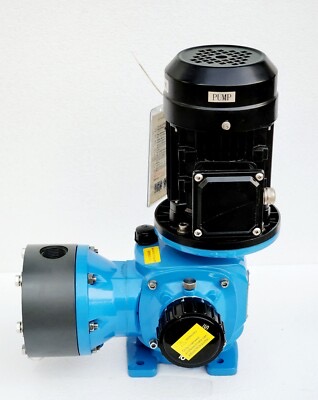
Understanding How Metering & Dosage Pumps Work
25 Sept 2026
A practical guide to metering and dosing pumps for Adelaide — how they work, how flow is controlled, pump types, Dosatron systems, and how to choose the right u...
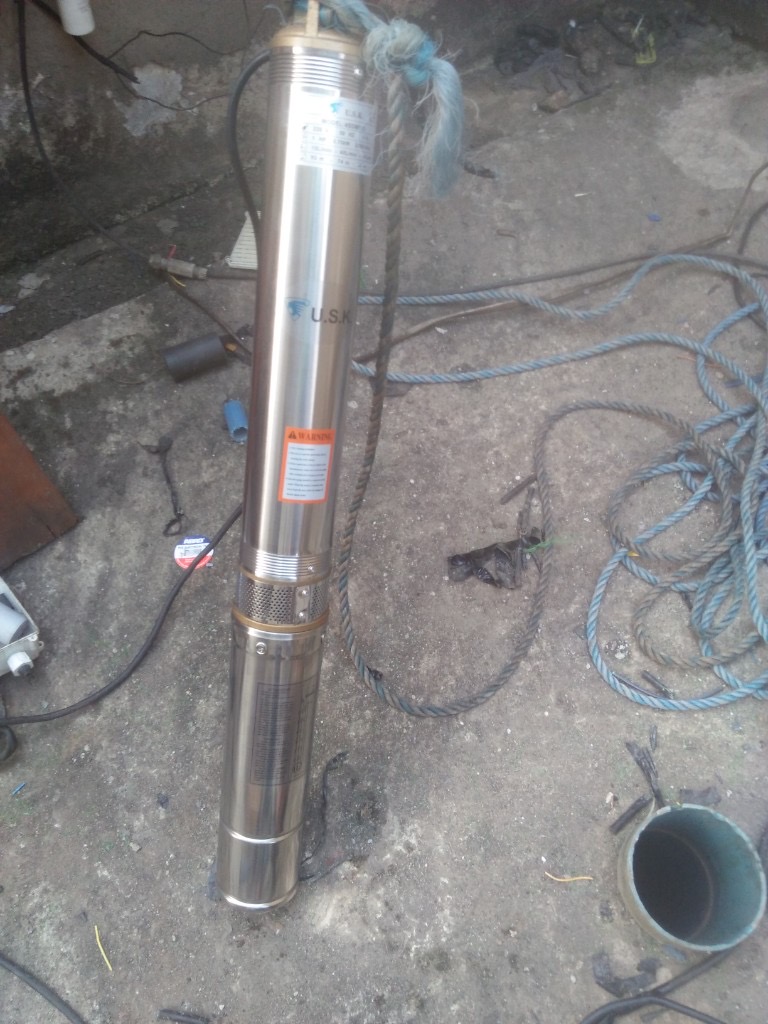
Is Your Bore Pump Failing? 7 Warning Signs to Check Before It Stops Working
3 Sept 2026
Bore pumps usually warn before they fail. Learn what low pressure, short cycling, air in taps, noise and breaker trips mean — and when to call a specialist.

Pump Repairs Near Me: Adelaide Pump Repair Specialists
7 Aug 2026
Local Adelaide pump repair specialists for sump, bore, pressure, pool and stormwater systems — diagnosis, repair, installation and maintenance since 2004.