When to Service a Water Pump in Adelaide: A Licensed Plumber's Guide
22 June 2026
Water pumps should generally be serviced once a year by a qualified plumber or pump technician.
That annual pump maintenance visit should include more than a quick visual check. A proper pump inspection should test pressure, flow, electrical draw, pump cycling, float switches, pressure tanks, fittings, valves, leaks, and signs of wear.
For some pumps, especially sump pumps, stormwater pumps, bore pumps, pressure pumps, and pool pumps, you should also carry out simple checks between professional services. Adelaide properties can put pumps under real strain, particularly during heavy rain, irrigation season, hot weather, and periods of high water demand.
Mayfair Plumbing is a locally owned Adelaide plumbing business founded in 2004 by Aaron Stewart. The business services pump systems across greater Adelaide, including sump pumps, bore pumps, pool pumps, pressure pumps, stormwater pumps, pump controllers, float switches, pressure tanks, pipework, and valves.
This guide explains when to service a water pump, what warning signs to look for, what you can safely check yourself, and when it is time to call a licensed Adelaide plumber.
Quick Answer: How Often Should a Water Pump Be Serviced?
Most water pumps should be professionally serviced once every 12 months.
Some pumps need more regular homeowner checks:
| Pump type | Homeowner check | Professional service |
|---|---|---|
| Sump pump | Every 3 months and before heavy rain | Annually |
| Stormwater pump | Every 3 months and before winter/rainy periods | Annually |
| Bore pump | Watch pressure, flow, and cycling | Annually |
| Pressure pump | Watch pressure, cycling, and leaks | Annually |
| Pool pump | Clean baskets weekly during swim season | Annually |
| Booster pump | Watch pressure and vibration | Annually |
| Circulator pump | Check during heating season | Annually with boiler/heating service |
If the pump is working hard every day, exposed to sediment, installed in a damp pit, affected by hard water, or showing any change in sound or performance, it may need attention sooner.
Why Water Pump Maintenance Matters
A water pump usually fails gradually before it fails completely.
Most pump breakdowns start with small problems: a worn seal, a weak capacitor, a waterlogged pressure tank, a blocked intake, a sticking float switch, a clogged basket, a loose electrical connection, or an impeller damaged by sand and grit.
Left alone, those small issues can turn into expensive failures.
A neglected pump can lead to:
- No water at the taps
- Flooding during heavy rain
- Burned-out motors
- Higher electricity use
- Damaged pressure tanks
- Failed float switches
- Leaking seals
- Tripped breakers
- Premature pump replacement
For a sump or stormwater pump, failure can mean water entering the home, garage, cellar, shed, or commercial property. For a pressure pump or bore pump, failure can mean loss of water supply or irrigation. For a pool pump, failure can affect filtration, water quality, and pool equipment.
Regular servicing is about finding problems while they are still small.
The Difference Between Proactive Service and Emergency Repair
There are two ways to deal with pump maintenance.
The first is planned maintenance. A plumber inspects the pump, tests its operation, checks the electrical draw, confirms pressure settings, looks for leaks, and identifies worn parts before the system fails.
The second is emergency repair. That usually happens when the pump has already stopped, the breaker is tripping, the pump is humming but not moving water, or water is rising where it should not be.
Emergency repairs are usually more disruptive. The pump may need immediate replacement, parts may be harder to source at short notice, and damage may already have occurred.
For Adelaide homes and businesses with sump, stormwater, bore, or pressure pump systems, annual service is usually cheaper and less stressful than waiting for a failure.
Warning Signs Your Water Pump Needs Service Now
Do not wait for the next annual service if the pump is already showing signs of trouble.
Call a licensed plumber or pump specialist if you notice any of the following. For a full breakdown of failure symptoms, see our guide on signs a water pump needs replacement or repairing.
1. The Pump Is Short Cycling
Short cycling means the pump turns on and off too frequently.
In a pressure pump or bore pump system, short cycling often points to a pressure tank problem, failed bladder, incorrect air charge, pressure switch fault, or leak in the system.
Short cycling is serious because pump motors are under the most strain when they start. A pump that starts every few seconds can overheat and fail much sooner than it should.
Common signs of short cycling include:
- Pump clicks on and off rapidly
- Water pressure pulses at the tap
- Pressure gauge rises and falls quickly
- Pump starts every time a small amount of water is used
- Pressure switch clicks repeatedly
If your pump is short cycling, it should be checked promptly.
2. The Pump Is Making Grinding, Screeching, or Rattling Noises
A healthy pump should have a consistent operating sound.
Grinding, screeching, rattling, or metal-on-metal noise can indicate worn bearings, debris in the impeller, a failing motor, cavitation, or loose components.
Do not ignore new pump noises. The longer the pump runs with mechanical wear, the more damage it can do to the motor, seals, impeller, and housing.
If the noise is loud or sudden, turn the pump off if it is safe to do so and book an inspection.
3. The Pump Hums but Does Not Pump Water
A pump that hums but does not move water may have:
- A failed start capacitor
- A jammed impeller
- A seized motor
- A blocked intake
- A failed controller
- Electrical supply problems
- Loss of prime, depending on the system
This is an urgent fault. A stalled motor can overheat quickly.
Do not keep switching the pump on and off or repeatedly resetting the breaker. The cause needs to be diagnosed.
4. Water Pressure Has Dropped
Low water pressure can come from many causes, including pipe restrictions, blocked filters, a worn impeller, pressure switch faults, air in the system, leaks, or a failing pressure tank.
In a bore or pressure pump system, low pressure may mean the pump is no longer delivering the required flow.
Warning signs include:
- Weak flow from taps
- Irrigation sprinklers not reaching properly
- Pressure dropping when more than one fixture is used
- Pump running longer than usual
- Pressure gauge not reaching the expected cut-out pressure
A plumber can test the pump, pressure switch, pressure tank, and pipework to find the cause.
5. The Pump Is Leaking
Leaks around the pump should be inspected.
Look for water around:
- Pump housing
- Mechanical seal
- Unions
- Valves
- Pressure tank
- Pipe connections
- Pump controller
- Flanges
- Discharge pipework
A small leak can become a larger leak. It can also allow air into the system, corrode metal parts, damage nearby electrical components, and reduce pump performance.
If the leak is near electrical equipment, turn the system off if safe and call a professional.
6. The Pump Is Vibrating Excessively
Some vibration is normal, but heavy vibration is not.
Excessive vibration may be caused by:
- Loose mounting bolts
- Unbalanced impeller
- Debris inside the pump
- Pipe strain
- Cavitation
- Worn bearings
- Poor installation base
Vibration can loosen fittings, crack pipework, damage seals, and shorten pump life.
7. The Pump Keeps Tripping the Breaker
A breaker that trips repeatedly is a warning sign.
Possible causes include:
- Motor overload
- Water inside electrical components
- Short circuit
- Failed capacitor
- Damaged cable
- Seized motor
- Incorrect voltage
- Faulty control box
Do not keep resetting the breaker. That does not fix the problem and can create a safety risk.
Electrical faults should be handled by a qualified professional.
8. The Pump Runs Constantly
A pump that runs without shutting off may be unable to build pressure or may not be receiving the correct shut-off signal.
Possible causes include:
- Leak in the system
- Failed pressure switch
- Failed float switch
- Blocked or broken discharge line
- Worn impeller
- Incorrect pressure setting
- Loss of prime
- Pump undersized for demand
A pump that runs continuously can overheat and fail.
9. There Is Rust, Corrosion, or Water Around Electrical Parts
Rust and corrosion indicate moisture problems.
Corrosion around electrical terminals, switches, controllers, or cable entries is especially concerning. It can create resistance, heat, unreliable operation, and potential electrical hazards.
Any corrosion near pump electrics should be inspected.
Water Pump Service Schedule by Pump Type
Different pump systems need different care.
Sump Pump Servicing in Adelaide
A sump pump should be tested by the homeowner every three months and professionally serviced once a year.
It should also be tested before periods of heavy rain.
A sump pump service should include:
- Float switch test
- Pump start and stop test
- Pit inspection
- Debris removal
- Discharge line check
- Non-return valve check
- Electrical connection check
- Pump noise and vibration check
- Backup pump or battery check, if installed
How to Test a Sump Pump
You can safely test many sump pumps by pouring water into the pit.
- Make sure the pump is plugged in.
- Slowly pour clean water into the sump pit.
- Watch the float rise.
- Confirm the pump starts automatically.
- Confirm the pump empties the pit.
- Confirm the pump shuts off once the water level drops.
- Check that water is discharging outside where it should.
If the float sticks, the pump does not start, or the pump runs but does not remove water, book a service.
Stormwater Pump Servicing
Stormwater pumps should be checked before the wettest part of the year and after major storms.
A stormwater pump system may fail because of leaves, silt, mud, gravel, blocked pits, jammed floats, or blocked discharge pipework.
A professional service should include:
- Pit inspection
- Float switch operation
- Pump intake inspection
- Discharge pipe check
- Non-return valve check
- Electrical safety check
- Pump run test
- Alarm test, if fitted
Stormwater pumps protect the property from water build-up. They should not be left unchecked until the first major storm.
Bore Pump Servicing
A bore pump should be professionally inspected once a year.
Bore pumps can be affected by sand, silt, changing water levels, pressure tank problems, electrical faults, and worn components.
A bore pump service should include:
- Flow rate test
- Pressure test
- Electrical draw test
- Control box inspection
- Pressure tank inspection, if fitted
- Pipework and valve inspection
- Check for sand or sediment
- Pump cycling check
Call a plumber if you notice pressure loss, dirty water, air in the lines, frequent cycling, or the pump failing to start.
Mayfair Plumbing services and repairs bore pumps across Adelaide and lists bore pump repairs as part of its pump repair services.
Pressure Pump Servicing
Pressure pumps are commonly used for rainwater systems, irrigation, household supply, and water transfer.
A pressure pump should be professionally serviced once a year, or sooner if it starts cycling, leaking, vibrating, or losing pressure.
A service should include:
- Pressure switch test
- Pressure tank air charge check
- Motor amperage draw test
- Leak inspection
- Pipework inspection
- Controller check
- Flow test
- Non-return valve check
If the pump turns on every time a tap is opened, even briefly, the pressure tank or controller should be checked.
Pool Pump Servicing
A pool pump should be inspected professionally once a year and cleaned regularly during the swimming season.
Homeowners should clean the skimmer basket and pump basket often, usually weekly during heavy use or when leaves and debris are common.
Before cleaning the pump basket:
- Turn power off to the pump.
- Close valves if needed.
- Release pressure according to the filter manufacturer's instructions.
- Remove the pump lid.
- Clean the basket.
- Check the lid O-ring.
- Refit the lid correctly.
- Prime the pump before restarting.
A clogged basket can starve the pump of water and damage the seal or motor.
Call for service if the pool pump leaks, loses prime, makes grinding noises, overheats, or has air bubbles returning to the pool.
Booster Pump Servicing
Booster pumps should be inspected annually, especially in commercial properties, irrigation systems, and homes that rely on boosted pressure.
A booster pump service should include:
- Pressure setting check
- Pump cycling check
- Leak inspection
- Electrical test
- Controller inspection
- Vibration check
- Valve and pipework inspection
- Pressure tank check, if fitted
A booster pump that is incorrectly sized or poorly adjusted may cycle too often or run longer than needed.
Circulator Pump Servicing
Circulator pumps are used in hydronic heating systems to move heated water.
They are usually inspected during annual boiler or heating system service.
Signs of a circulator pump problem include:
- Some rooms not heating properly
- Pump noise
- Leaks around flanges
- Pump hot but no circulation
- Boiler running but heat not moving through the system
Older circulator pumps may require lubrication, depending on the model. Modern sealed units usually do not.
What a Professional Water Pump Service Should Include
A proper pump service should inspect the full system, not just the pump body.
At Mayfair Plumbing, pump work is handled by licensed plumbers, and the business has a specialist focus in pump systems across residential and commercial plumbing.
A professional service may include the following checks.
Motor Amperage Draw Test
A motor amperage draw test shows how hard the pump motor is working.
Higher-than-normal amperage can indicate:
- Mechanical strain
- Blocked intake
- Worn bearings
- Low voltage
- Damaged impeller
- Motor failure
- Pump running outside its intended range
This is one of the most useful tests during pump diagnosis.
Voltage Test
The pump must receive the correct voltage.
Low voltage can make the motor draw more current, run hotter, and fail early. Loose or corroded connections can also create heat and unreliable operation.
A licensed professional can check supply voltage, connections, and controls safely.
Pressure and Flow Testing
Pressure and flow tests help confirm whether the pump is doing its job.
A pressure test checks whether the pump reaches the correct cut-in and cut-out points.
A flow test checks whether the pump is moving enough water for the system.
Low flow may indicate:
- Worn impeller
- Blocked pipework
- Blocked intake
- Undersized pump
- Valve restriction
- Water source issue
- Internal wear
Pressure Tank Check
Pressure tanks are important in many pump systems.
A pressure tank helps reduce pump starts by storing pressurised water. If the tank loses air charge or the bladder fails, the pump may short cycle.
A technician should check the tank pre-charge with the system depressurised and compare it with the pump pressure settings and manufacturer requirements.
Float Switch Test
Sump and stormwater pumps rely on float switches to start and stop automatically.
A stuck, damaged, or poorly positioned float can stop the pump from turning on when water rises.
A service should confirm that the float moves freely and triggers the pump correctly.
Pipework, Valve, and Fitting Inspection
Pump faults are not always inside the pump.
A technician should check:
- Isolation valves
- Non-return valves
- Unions
- Discharge pipework
- Suction pipework
- Flexible connectors
- Strainers
- Filters
- Leaks
- Air leaks
- Blockages
A failed non-return valve or suction leak can cause symptoms that look like pump failure.
Electrical and Control Inspection
Pump controls should be inspected for:
- Loose wiring
- Corrosion
- Burn marks
- Water ingress
- Damaged cables
- Failed capacitors
- Faulty pressure switches
- Controller faults
- Incorrect wiring
- Tripping breakers
Electrical pump faults should not be treated as DIY jobs.
Common Causes of Pump Failure in Adelaide Homes
Pump failure usually comes down to one or more of the following issues.
Sand, Silt, and Sediment
Sand and sediment can wear out pump components.
They act like liquid sandpaper inside the pump, damaging impellers, seals, and internal surfaces.
If your bore or rainwater system has visible sediment, the system may need filtration, a sand separator, pit cleaning, or a check of the water source.
Hard Water and Scale
Hard water can leave mineral scale inside plumbing and pump components.
Scale can restrict flow, increase load on the motor, and reduce efficiency.
If hard water is affecting fixtures, hot water systems, or pumps, water treatment may be worth discussing.
Blocked Intakes
A blocked intake starves the pump of water.
This can cause overheating, poor flow, cavitation, seal damage, and premature failure.
Sump pits, stormwater pits, pool baskets, and strainers should be kept clear.
Running Dry
Many pumps depend on water for cooling and lubrication.
If a pump runs without water, seals can fail quickly and the motor can overheat.
A pump that is running but not moving water should be turned off and inspected.
Poor Ventilation
Pump motors generate heat.
If the pump is installed in a cramped, hot, or poorly ventilated location, the motor may run hotter than intended.
Heat shortens motor life.
Electrical Problems
Electrical problems are a major cause of pump failure.
Common issues include:
- Voltage drop
- Loose connections
- Corrosion
- Power surges
- Failed capacitors
- Incorrect circuit protection
- Water entering electrical parts
- Damaged cables
Pump electrical faults should be inspected by a qualified professional.
Incorrect Pump Size
A pump that is too small may run constantly and struggle to keep up.
A pump that is too large may short cycle, create pressure problems, or put stress on pipework and controls.
Correct pump sizing matters for reliability and efficiency.
Diy Pump Checks You Can Do Safely
You do not need to be a plumber to notice early warning signs.
Safe homeowner checks include:
- Listen for new noises
- Look for leaks
- Check for rust or corrosion
- Test the sump pump with water
- Keep sump and stormwater pits clear
- Clean pool pump baskets
- Watch for pressure changes
- Note if the pump cycles too often
- Check whether the pump area is dry and ventilated
- Make sure discharge points are not blocked
Do not open control boxes, work on live wiring, adjust pressure tanks, replace capacitors, or disassemble the pump motor unless you are properly qualified.
When to Call a Licensed Plumber Immediately
Call a licensed plumber or pump specialist if:
- The pump is short cycling
- The pump hums but does not run
- The pump is grinding or screeching
- The breaker keeps tripping
- There is water near electrical parts
- The pump will not turn on
- The pump runs continuously
- There is a sudden loss of pressure
- The sump pump fails during rain
- The pump is leaking
- The pump smells hot or burnt
- The pressure tank is waterlogged
- The pump is vibrating heavily
Mayfair Plumbing provides pump repair and installation services across greater Adelaide, including emergency plumbing for pump failure and flooding situations.
Should You Repair or Replace a Water Pump?
A pump does not always need replacing. Many faults can be repaired if they are caught early.
Repair may be suitable when:
- The pump is relatively new
- The fault is minor
- Parts are available
- The motor is still sound
- The pump is correctly sized
- The system has no major underlying issue
Replacement may be the better option when:
- The pump is old
- Repairs are becoming frequent
- The motor has failed
- The pump housing is cracked
- The repair cost is high compared with replacement
- Parts are no longer readily available
- The pump is undersized
- The pump is inefficient
- The system requirements have changed
As a practical rule, if a repair costs more than half the price of a suitable new pump, replacement is often worth considering. The right answer depends on the pump, installation, water quality, age, and how critical the system is.
How Long Does a Water Pump Last?
Many water pumps last around 8 to 15 years, depending on the pump type, installation quality, usage, water quality, and maintenance history.
A lightly used pump in clean conditions may last longer. A pump dealing with sediment, flooding, heat, poor ventilation, frequent cycling, or electrical problems may fail much sooner.
Annual servicing helps you track the condition of the pump and plan replacement before it becomes an emergency.
What to Ask During a Pump Service
A good service visit should leave you with clear information.
Ask the plumber:
- Is the pump drawing normal current?
- Is the voltage correct?
- Is the pump short cycling?
- Is the pressure tank working properly?
- Are the pressure settings correct?
- Is the float switch reliable?
- Are there leaks?
- Is there sediment or debris in the system?
- Is the pump sized correctly?
- Are parts worn?
- Is repair or replacement the better option?
- What should I monitor before the next service?
Keep service notes and invoices. They help identify changes over time.
Why Choose Mayfair Plumbing for Pump Servicing in Adelaide?
Mayfair Plumbing is a locally owned Adelaide plumbing business founded in 2004 and led by Aaron Stewart, Founder and Licensed Plumber. Aaron holds SA Plumbing Licence 252075, and the business lists Building Licence 290158, ABN 24 689 982 638, and Master Builders South Australia membership.
Mayfair Plumbing services greater Adelaide and works on residential and commercial plumbing, with a specialist focus in pump systems. The business repairs and services major pump brands including Davey, Onga, Grundfos, Bianco, Honda, Franklin, and others.
Pump services include:
- Sump pump repairs
- Bore pump repairs
- Pool pump repairs
- Pressure pump repairs
- Stormwater pump repairs
- Pump controllers
- Float switches
- Pressure tanks
- Pump pipework
- Pump valves
- Pump installation
- Pump replacement
If your pump is noisy, leaking, losing pressure, tripping power, cycling too often, or not moving water, Mayfair Plumbing can inspect the full system and explain whether repair or replacement is the better option.
Frequently Asked Questions
How Often Should a Water Pump Be Serviced?
Most water pumps should be serviced once a year. Sump pumps and stormwater pumps should also be tested every three months and before heavy rain.
How Often Should I Test My Sump Pump?
Test your sump pump every three months and before periods of heavy rain. Pour water into the pit and confirm the float rises, the pump starts, the pit empties, and the pump shuts off correctly.
What Are the Signs My Water Pump Needs Servicing?
Common signs include low pressure, short cycling, leaks, grinding noises, humming without pumping, excessive vibration, breaker trips, constant running, rust, and poor flow.
Why Does My Pump Keep Turning On and Off?
This is called short cycling. It is often caused by a pressure tank problem, pressure switch fault, leak, failed bladder, or incorrect air charge. Short cycling can damage the motor and should be inspected promptly.
Why Is My Pump Humming but Not Pumping Water?
A humming pump may have a failed capacitor, jammed impeller, seized motor, blocked intake, loss of prime, or electrical fault. Turn it off if it is safe and call a professional.
Can I Service a Water Pump Myself?
You can do basic checks such as looking for leaks, listening for noise, cleaning baskets, keeping pits clear, and testing a sump pump. Electrical testing, pressure tank adjustment, motor repairs, and pump disassembly should be left to qualified professionals.
Does Adelaide Water Quality Affect Pump Life?
Water quality can affect pump life. Hard water, sand, silt, iron, and sediment can all contribute to wear, scale, clogging, and reduced performance. Pumps exposed to sediment or mineral buildup may need more frequent checks.
Should I Repair or Replace My Pump?
Repair may be suitable for minor faults or newer pumps. Replacement may be better if the pump is old, repeatedly failing, inefficient, incorrectly sized, or expensive to repair.
Do You Service Pump Systems Across Adelaide?
Yes. Mayfair Plumbing services greater Adelaide, including residential and commercial pump systems, sump pumps, bore pumps, pool pumps, pressure pumps, and stormwater pumps.
Book Water Pump Servicing in Adelaide
If your pump has not been serviced in the past year, or if it is noisy, leaking, short cycling, losing pressure, or failing to start, book an inspection before it becomes an emergency.
Call 0429 361 819 or request a quote from Mayfair Plumbing for licensed pump servicing across greater Adelaide.
What our customers say
We have used Aaron's service a few times now and he has always replied promptly, given a definite time, and fixed the…
A big thank you to Aaron. Out of 6 companies I'd emailed requesting a ballpark quote for a to-do listing, only Mayfair…
Related Posts
How To Prime A Bore Pump
20 Oct 2026
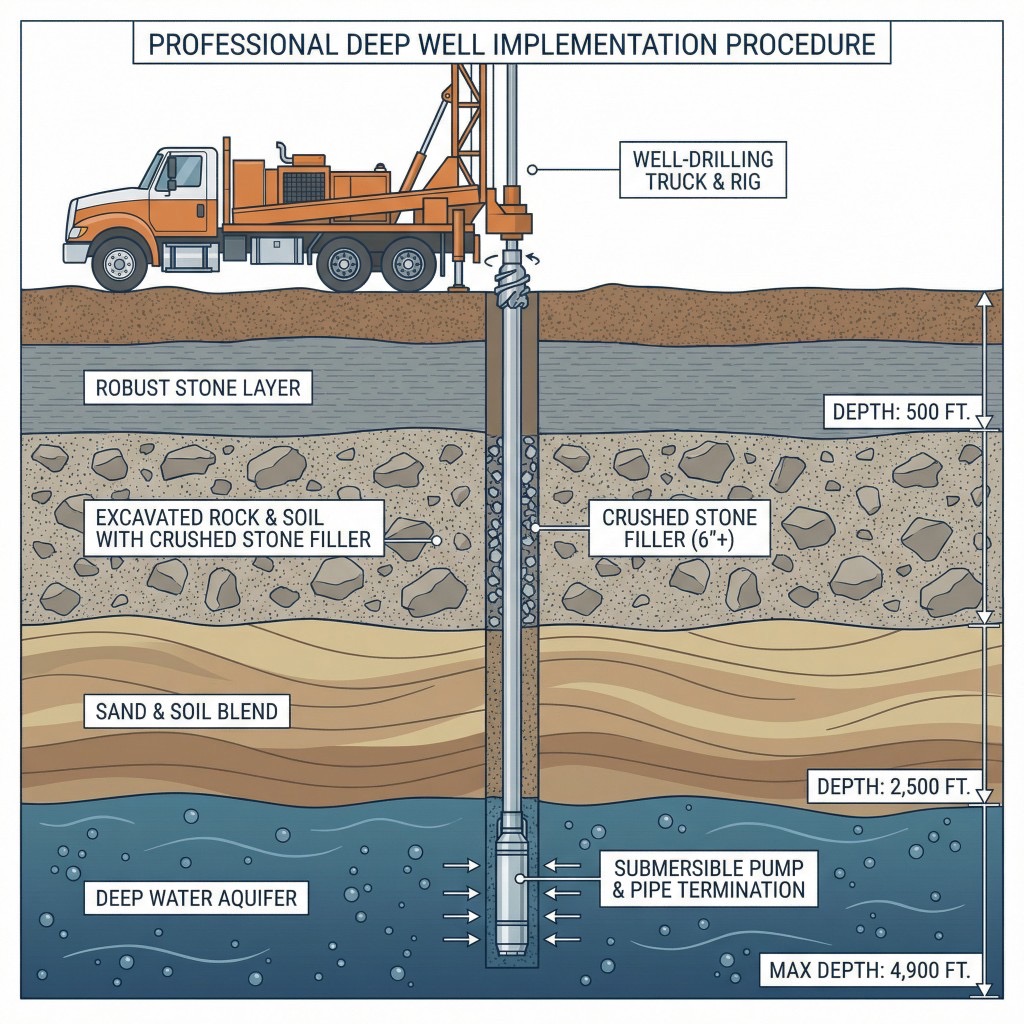
Bore pump running but no water at the sprinklers? Learn how to prime a surface bore pump safely, why pumps lose prime, and when it's time to call a technician.
Understanding How Metering & Dosage Pumps Work
25 Sept 2026
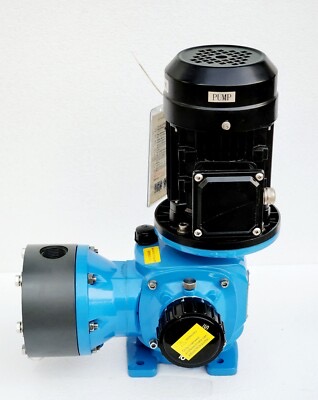
A practical guide to metering and dosing pumps for Adelaide — how they work, how flow is controlled, pump types, Dosatron systems, and how to choose the right u...
Is Your Bore Pump Failing? 7 Warning Signs to Check Before It Stops Working
3 Sept 2026
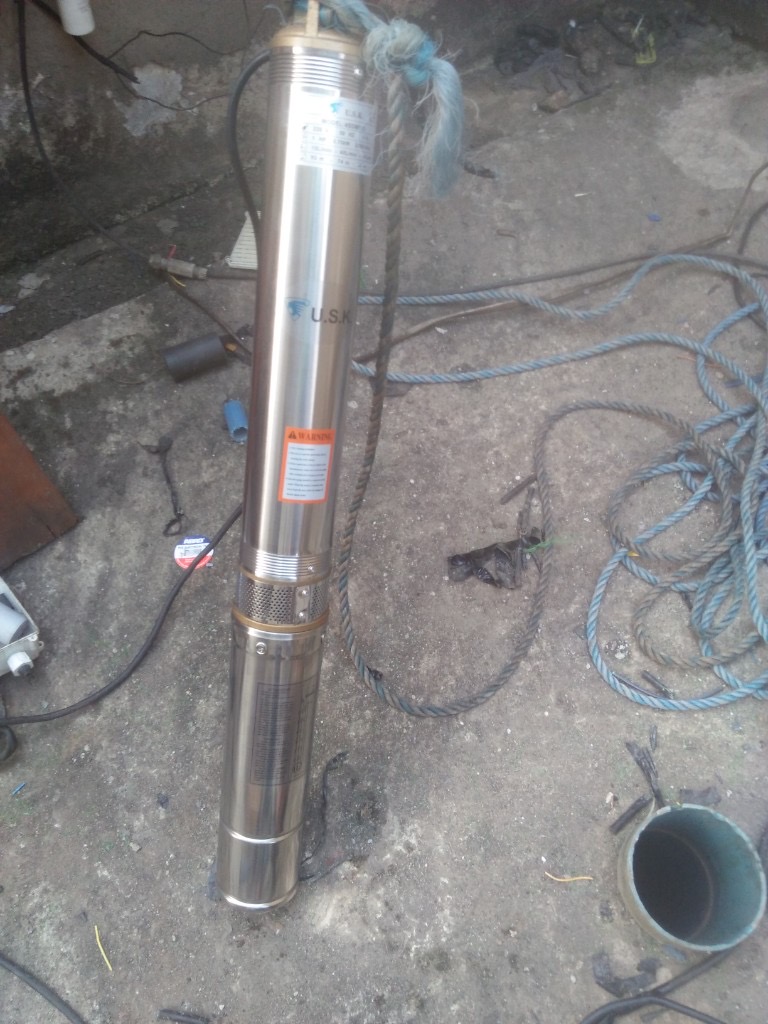
Bore pumps usually warn before they fail. Learn what low pressure, short cycling, air in taps, noise and breaker trips mean — and when to call a specialist.