
Bore Pump Troubleshooting - Priming & Maintenance
20 October 2026
Your bore pump is running, but there's no water coming through the sprinklers. The garden isn't getting watered, and you're wondering whether the pump has failed or just needs priming.
A bore pump that runs without delivering water doesn't always need replacing. Sometimes, a surface-mounted pump has simply lost its prime, meaning air has entered the system or water has drained out of the pump casing and suction pipework.
To prime a suitable surface bore pump, turn off and isolate the power, allow the pump to cool, release any remaining pressure and fill the pump through its designated priming port. Once the plug is secured, restart the pump according to the manufacturer's instructions.
However, not every bore pump needs manual priming, and repeatedly filling a pump that keeps losing water won't solve the underlying problem.
We've worked on many bore pumps in Adelaide, and one important part of bore pump troubleshooting and repairs in Adelaide is understanding whether the problem is actually lost prime or another fault producing similar symptoms.
This guide explains how to identify your pump, prime it safely, recognise common problems and understand when professional servicing is the better option.
First, Check What Type of Bore Pump You Have
Before attempting to prime a bore pump, you need to know whether it's a surface pump or a submersible pump.
Surface Bore Pumps
A surface bore pump is installed above ground, usually near the bore opening or irrigation equipment.
It draws groundwater upwards through a suction pipe before pushing it into the irrigation system.
Depending on the design, the pump casing and suction pipework must contain water for the pump to operate correctly. If air enters the system or water drains back towards the bore, the pump may struggle to establish flow.
These are the pumps that may require manual priming.
Submersible Bore Pumps
A submersible bore pump is installed down inside the bore, beneath the water level.
Because the pumping equipment operates underwater, it doesn't normally require the same manual priming procedure as a surface pump.
If a submersible pump stops delivering water, the problem may involve its power supply, controller, water availability or another component.
Don't attempt to prime a submersible pump by pouring water into the bore. Instead, have the system assessed by someone experienced with downhole submersible bore pump installations.
What About Self-priming Pumps?
Some surface bore pumps are described as self-priming.
This doesn't necessarily mean they can start completely empty.
Many self-priming pumps still require an initial water fill before operation. The self-priming function then helps the pump manage air in the suction pipework under the conditions specified by its manufacturer.
If you're uncertain, check the pump's model number and operating manual before continuing.
Why Does a Bore Pump Lose Its Prime?
A surface bore pump typically loses prime because water has drained out of the suction system or air has entered somewhere it shouldn't.
Several different problems can cause this.
1. Air Leaks in the Suction Pipe
An air leak in the suction pipework can prevent a pump from drawing water properly.
The difficult part is that these leaks aren't always visible.
Because the suction side operates under negative pressure while the pump runs, air can be drawn into a loose connection without water visibly leaking onto the ground.
Possible areas for inspection include suction pipe joints, fittings, connections and seals.
2. A Faulty Foot Valve or Non-return Valve
A foot valve is commonly fitted near the lower end of the suction pipe in a surface-pump installation.
Its purpose is to help prevent water from draining back into the bore when the pump stops.
If the valve isn't sealing properly, the suction line may gradually empty.
The pump might work immediately after priming but fail again the following morning or after a longer period without use.
Not every installation has the same valve arrangement, so the system needs to be checked before assuming a foot valve is responsible.
3. Low Bore Water Levels
A pump cannot maintain reliable suction if the available water falls below the intake or outside the pump's operating limits.
This may become noticeable during extended irrigation runs or when groundwater levels change.
Simply adding more water to the pump casing won't correct an inadequate water supply.
4. Maintenance or Disconnected Pipework
A surface pump may need priming after maintenance, pipe replacement or other work that allows water to drain from the suction system.
If the pump was previously operating normally and the problem started immediately after repairs, checking the prescribed priming procedure is a reasonable starting point.
5. Another Pump Fault
Not every pump that stops delivering water has lost prime.
A blocked intake, worn component, electrical problem or faulty pump controller can produce similar symptoms. Our guide to seven warning signs a bore pump is failing covers those faults in more detail.
That's why it's important to identify the fault before repeatedly restarting the equipment.
Our First-hand Experience with Bore Pumps in Adelaide
Across all that bore pump work, one thing we've learned is that a bore pump that stops delivering water isn't necessarily a faulty pump.
When a customer tells us their bore pump is running but the sprinklers aren't working, it's important to consider the entire system rather than immediately assuming the motor needs replacing.
A surface bore pump relies on several components working together, including the pump casing, suction pipework, valves, groundwater supply and irrigation system.
Problems with any of these components can interrupt water flow.
Why We Don't Automatically Assume a Pump Needs Replacing
One of the most important distinctions when troubleshooting a surface bore pump is whether the pump has lost its prime or is experiencing another fault.
For example, a pump that delivers water immediately after priming but stops working after sitting overnight suggests a different problem from one that cannot establish water flow at all.
The first situation may involve water draining back through a foot valve or air entering a suction connection.
The second may require investigation of water availability, restrictions, pump components or other operating conditions.
That's why identifying when the problem occurs can be just as useful as knowing that water has stopped flowing.
What We Look for When a Bore Pump Keeps Losing Prime
When investigating recurring priming problems, several parts of the installation deserve attention:
- Suction pipe connections: Loose fittings or deteriorated seals can allow air into the system without leaving an obvious water leak.
- Foot and non-return valves: A valve that doesn't seal correctly may allow water to drain back towards the bore after the pump stops.
- Priming plug and seals: An incorrectly fitted or damaged plug may prevent the pump casing from maintaining an effective seal.
- Water availability: A falling bore water level or an intake problem can prevent reliable pumping, even when the pump has been filled.
- Pump operation: Unusual noises, overheating, weak pressure or failure to establish flow can indicate problems beyond priming.
These checks help distinguish a straightforward priming issue from a problem requiring further servicing.
Why the Timing of the Problem Matters
When an Adelaide homeowner contacts us about a bore pump that isn't working, one useful question is:
“Does the pump stop delivering water while it's running, or does the problem only happen when you try to start it again?”
That distinction helps narrow down what needs investigating.
If water flow stops during operation, the investigation may involve supply conditions, suction restrictions or mechanical issues.
If the pump works properly after being filled but fails to restart the next day, attention may turn towards the components responsible for retaining water in the suction system.
If the motor trips a circuit breaker or safety switch, the problem must be treated as a potential electrical fault rather than a priming issue.
And if the pump runs but the sprinklers receive very little water, the investigation may need to extend to the irrigation pipework and water supply rather than the priming procedure alone.
Our Advice to Adelaide Homeowners
Based on our experience working with bore pumps in Adelaide, our advice is simple:
Don't repeatedly prime a pump without investigating why it keeps losing water.
Priming may restore water flow temporarily, but a correctly operating system shouldn't normally need manual refilling before every watering cycle.
If your bore pump repeatedly loses prime, delivers inconsistent water pressure or runs without supplying the sprinklers, the most useful next step is identifying the underlying cause.
Understanding the complete bore and irrigation system can help avoid unnecessary repairs, repeated interruptions and premature pump replacement.
What You'll Need to Prime a Surface Bore Pump
If your pump manufacturer provides an operator priming procedure, have the following ready:
- Your pump's operating manual
- A clean container of clean water
- A clean funnel, if required
- The correct tool for the priming plug
- A clean cloth for removing dirt around the opening
Make sure the pump is safely accessible before beginning.
Important safety warning: Never work on a pump while it's electrically energised, hot or pressurised. Don't enter a flooded pump pit, open electrical covers or attempt electrical repairs yourself.
If you cannot safely isolate the pump or identify the correct priming port, stop and arrange professional assistance.
How to Prime a Surface Bore Pump: Step by Step
The following process applies generally to suitable surface-mounted bore pumps with a manufacturer-approved manual priming procedure.
Pump configurations vary, so always follow the instructions for your particular model.
Step 1: Turn Off and Isolate the Power
Start by disabling any automatic irrigation controls and isolating the electrical supply to the pump.
Turning off a watering programme may not be enough, because some pump controllers can restart automatically when they detect a pressure change.
Allow the pump to cool if it has recently been operating.
Before removing any plug, release the remaining water pressure through an appropriate outlet, following the manufacturer's instructions.
Never loosen a filling plug while the pump is hot or pressurised.
Step 2: Find the Priming Port
On many surface pumps, the priming port is located towards the top of the pump casing.
It may be covered by a threaded plug or another manufacturer-specific fitting.
Check the pump manual to confirm the correct location.
Don't confuse the priming port with a drain plug, pressure adjustment fitting or electrical housing.
Wipe away any dirt, grit or grass clippings around the opening before removing the plug.
Keeping debris out of the pump helps prevent additional problems.
Step 3: Fill the Pump with Clean Water
Remove the designated priming plug and slowly add clean water into the pump casing, as directed by the manufacturer.
The aim is to fill the relevant pump passages and allow trapped air to escape.
Depending on the installation, the suction pipework may also require filling.
Don't assume that pouring in a single bucket will be enough. The quantity of water depends on the pump and pipework arrangement.
DAB Pumps, for example, specifically instructs owners of its DP pumps to completely fill the pump with clean water before starting.
The manufacturer also warns that dry operation can permanently damage the mechanical seal.
Never run an empty pump in the hope that it will draw water up and prime itself.
Step 4: Replace the Priming Plug
Once the pump has been filled as instructed, inspect the plug and its sealing surfaces.
Check that they're clean and free from obvious damage.
Refit the plug using the sealing method specified for your pump.
Don't overtighten it or automatically apply thread tape. Some fittings use washers or other seals that require different handling.
A poorly sealed priming plug can itself contribute to air entering the system.
Step 5: Restart the Pump Correctly
Follow the manufacturer's instructions for setting valves and outlets before restoring power.
Some pumps require particular outlet or valve arrangements during startup.
There isn't one universal sequence suitable for every surface bore pump.
Once started, monitor the system for normal water flow and pressure.
If the pump doesn't establish flow within the manufacturer's specified procedure, switch it off.
Don't leave it running dry, and don't leave it operating against a closed discharge contrary to the manufacturer's instructions.
Step 6: Check Whether the Pump Holds Its Prime
Once water flow has been restored, observe how the pump operates during its next normal irrigation cycle.
Does it start without needing another refill?
Does water reach the sprinklers at the expected pressure?
Does the pump continue operating normally?
If it loses prime again, further troubleshooting is needed.
A pump that repeatedly needs manual priming usually has an unresolved problem. Repriming may temporarily restore water flow, but it doesn't explain why the prime was lost.
Bore Pump Priming Troubleshooting: What the Symptoms Can Tell You
The way your bore pump behaves can provide useful clues about the underlying problem.
| What you notice | What it could mean | What to do |
|---|---|---|
| Pump runs but no water reaches the sprinklers | Lost prime, suction leak, blocked intake or insufficient water supply | Stop prolonged dry operation and check the manufacturer-approved priming procedure |
| Pump works after priming but fails again later | Water draining back, a leaking valve or air entering the suction line | Arrange inspection of the suction system and valves |
| Pump delivers water briefly, then flow stops | Water supply, suction or mechanical issue | Stop operation and investigate before restarting |
| Water reaches sprinklers but pressure is weak | Restriction, leakage, pump performance or supply problem | Check accessible irrigation outlets and arrange diagnosis if the problem continues |
| Pump trips the circuit breaker or safety switch | Possible electrical fault | Stop resetting it and contact a qualified electrician |
| Pump makes unusual noises or becomes excessively hot | Possible dry running or mechanical trouble | Switch off and arrange professional assessment |
These symptoms help narrow down possible causes, but they don't confirm a diagnosis by themselves.
The Pump Runs, but No Water Comes Out
Start by confirming that the pump is a surface model that requires priming.
If the pump has been filled according to its manual and still fails to deliver water, don't keep repeating the starting process.
There may be a suction problem, insufficient available groundwater or another issue preventing water movement.
The Pump Keeps Losing Prime Overnight
If the pump works after priming but fails again after sitting idle, water may be draining out of the suction pipework.
A leaking foot valve, non-return valve or connection is one possible explanation.
A pump technician can inspect the system to determine where water is being lost or air is entering.
The Pump Has Low Pressure After Priming
Restoring prime doesn't guarantee that every irrigation problem has been resolved.
If water reaches the sprinklers but pressure remains noticeably lower than normal, the cause may involve restricted flow, leakage, poor water availability or the pump itself.
The wider irrigation system may need checking, including any irrigation pressure pump and tank setup downstream of the bore.
The Pump Trips the Safety Switch
If your bore pump trips the safety switch or circuit breaker, stop trying to restart it.
This isn't a problem to address by adding more water.
Electrical faults can present serious risks, particularly around outdoor irrigation equipment and damp ground.
SafeWork SA advises that electrical work must be carried out by appropriately qualified and licensed electricians.
Common Bore Pump Priming Mistakes to Avoid
Running the Pump Dry
A pump that isn't moving water may not be receiving the cooling or lubrication its components require.
Dry running can damage the mechanical seal and other parts.
Don't repeatedly start the motor when the manufacturer requires the pump to be filled first.
Assuming Every Bore Pump Needs Priming
Submersible pumps and surface pumps operate differently.
Attempting a surface-pump procedure on the wrong equipment won't solve the problem and may create additional risks.
Adding Water Without Investigating Repeated Failure
If a pump consistently loses its prime, the real issue may be somewhere in the suction system.
Repeated filling isn't a substitute for diagnosing the fault.
Ignoring Electrical Warning Signs
A motor that trips protective devices, has damaged wiring or shows other electrical warning signs needs a different type of attention.
Leave electrical repairs and testing to appropriately licensed professionals.
Using Generic Instructions Instead of the Pump Manual
Different pump models may require different valve settings, filling arrangements or startup procedures.
Always use the manufacturer's model-specific instructions rather than relying on a universal running time or water quantity. Common Adelaide installations include Davey shallow-well and surface pumps, which publish their own priming and operating instructions.
When Should You Call a Bore Pump Technician in Adelaide?
Some surface-pump priming procedures are straightforward when the equipment is accessible and the manufacturer provides clear user instructions.
However, professional assessment is advisable when:
- The pump repeatedly loses prime after being filled
- The correct filling port cannot be identified
- The pump runs but fails to establish water flow
- Water pressure remains unusually low
- Suction pipework or valves need inspection or repair
- The pump is inaccessible or located in an unsafe area
- The system has a submersible pump or downhole fault
- There are signs of overheating, unusual noise or electrical problems
Electrical faults require assessment by an appropriately licensed electrician.
With bore pump troubleshooting, correctly identifying the problem can be more valuable than repeatedly attempting the same repair. Regular bore and irrigation pump servicing also helps catch leaking valves and suction faults before the pump loses prime mid-season.
A pump that isn't delivering water doesn't automatically need replacing. The fault could lie elsewhere in the bore or irrigation system.
Frequently Asked Questions About Priming Bore Pumps
How Much Water Do You Need to Prime a Bore Pump?
There isn't one standard amount.
The volume depends on the size of the pump casing, suction pipework and the specific installation.
Fill the system according to the pump manufacturer's instructions rather than relying on a fixed number of litres.
How Long Does It Take to Prime a Bore Pump?
The filling process and startup procedure vary depending on the pump and installation.
Don't rely on general advice to let a pump run for several minutes without confirming that it's delivering water.
Follow the manufacturer's operating limits, and switch the pump off if it fails to establish flow within the specified procedure.
Can I Prime My Own Bore Pump?
You may be able to prime a suitable surface bore pump yourself if the manufacturer provides an operator procedure, you can safely isolate the power and the equipment is accessible.
However, electrical work, inaccessible equipment and downhole pump repairs should be left to appropriately qualified professionals.
Why Does My Bore Pump Keep Losing Prime?
Repeated loss of prime can be associated with an air leak in the suction pipework, a foot or non-return valve that isn't sealing, or changing water availability.
The cause needs to be identified rather than repeatedly refilling the pump.
Does a Submersible Bore Pump Need Priming?
Submersible bore pumps don't normally need the manual filling procedure used for surface pumps because they operate below the water level.
If a submersible pump isn't delivering water, the installation should be assessed for other faults.
Should I Prime My Bore Pump Before Every Watering Cycle?
No. A correctly operating and properly installed surface bore pump shouldn't normally require manual refilling before every irrigation cycle.
If it does, there may be a problem allowing water to escape or air to enter the suction system.
Can a Bore Pump Lose Prime After Being Switched Off for a Long Time?
Yes, particularly if there's a valve or sealing problem that allows water to drain away while the pump is idle.
A system in good operating condition should retain prime as intended by its design.
If the problem only occurs after several days without use, that information may help a technician investigate the cause.
Does Losing Prime Mean I Need a New Bore Pump?
Not necessarily.
Loss of prime can result from suction pipework, valves or other installation issues rather than failure of the pump itself.
A proper inspection can help establish whether repair, maintenance or replacement is appropriate.
Need Help with a Bore Pump That Won't Prime in Adelaide?
If your bore pump has stopped supplying water to the sprinklers, identifying the cause is the first step towards getting the irrigation system working again.
As outlined above, we look beyond the obvious symptoms when investigating poor water flow or repeated priming problems.
Whether the issue involves suction pipework, valves, water availability or the pump itself, the goal is to understand what's preventing the system from operating normally before deciding on the next step.
If you're arranging a bore pump service, it helps to have a few details ready:
- The pump's make and model, if available
- Whether it's a surface or submersible pump
- Whether the motor runs or fails to start
- Whether any water reaches the sprinklers
- Whether the pump works briefly after priming
- Any controller error messages or electrical warning signs
These details can make the initial troubleshooting conversation more useful.
If your Adelaide bore pump keeps losing prime, runs without delivering water or has stopped working altogether, book a bore pump priming assessment with our team.
Getting the cause right is the best starting point for restoring reliable water flow and avoiding unnecessary work.
References and Further Reading
- DAB Pumps - Priming and Starting DP Pumps
- Davey - Shallow Well Pump Installation and Operating Instructions
- SafeWork SA - Electrical Work and Safety
This guide provides general information about surface bore pump priming. Always follow the instructions for your particular pump and installation. If safe access, electrical isolation or the correct procedure is uncertain, seek professional assistance.
What our customers say
We have used Aaron's service a few times now and he has always replied promptly, given a definite time, and fixed the…
Called Mayfair for an emergency pump repair on a Sunday evening. Aaron answered immediately and was at our property…
Related Posts
Understanding How Metering & Dosage Pumps Work
25 Sept 2026
A practical guide to metering and dosing pumps for Adelaide — how they work, how flow is controlled, pump types, Dosatron systems, and how to choose the right u...
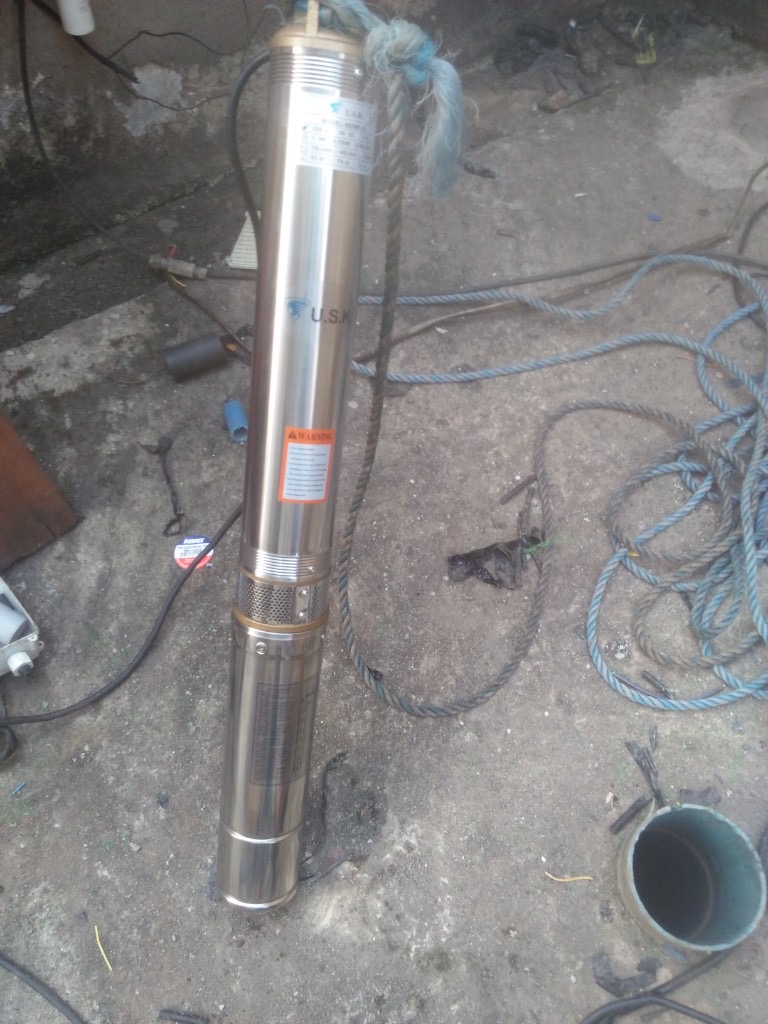
Is Your Bore Pump Failing? 7 Warning Signs to Check Before It Stops Working
3 Sept 2026
Bore pumps usually warn before they fail. Learn what low pressure, short cycling, air in taps, noise and breaker trips mean — and when to call a specialist.

Pump Repairs Near Me: Adelaide Pump Repair Specialists
7 Aug 2026
Local Adelaide pump repair specialists for sump, bore, pressure, pool and stormwater systems — diagnosis, repair, installation and maintenance since 2004.