
Signs a Water Pump Needs Replacement or Repairing
12 June 2026
A failing water pump rarely stops without warning. In most cases, it gives you signs first: unusual noise, reduced pressure, frequent cycling, leaking seals, tripped power, or water not moving when it should.
The problem is that many pump faults start small. A pressure pump may take longer to build pressure. A sump pump may hum but not discharge water. A bore pump may lose flow gradually. A stormwater pump may only reveal the problem during heavy rain, when it is already too late to prevent flooding.
At Mayfair Plumbing, we have been repairing and installing pump systems across Adelaide since 2004. Our licensed plumbers work on sump pumps, bore pumps, pool pumps, pressure pumps and stormwater pump systems, including major brands such as Davey, Onga, Grundfos and Bianco. This guide explains the most common signs of pump failure, what those signs usually mean, and when it is time to call a licensed plumber.
What Does a Water Pump Actually Do?
A water pump has one main job: move water from one place to another at the right pressure and flow rate.
Depending on the system, that might mean:
- Moving stormwater away from a pit or low-lying area
- Pumping bore water to irrigation or storage
- Supplying pressure to taps, toilets, gardens or rural systems
- Circulating water through a pool system
- Removing water from a basement, cellar, driveway pit or stormwater sump
Most domestic and commercial pumps use an electric motor to spin an impeller. The impeller creates movement and pressure inside the pump housing, pushing water through pipework. When that motor, impeller, seal, float switch, controller or pressure system starts to fail, the pump can become noisy, inefficient or completely unreliable.
A pump does not need to be completely dead to need attention. In many cases, the best time to repair a pump is when it is still running but showing early warning signs.
The Main Signs Your Water Pump Is Failing
1. The Pump Is Making Unusual Noise
A healthy pump should run with a steady, consistent sound. If the sound changes, pay attention.
Common warning noises include:
- Grinding or scraping - This may point to worn bearings, debris inside the pump, or internal parts rubbing where they should not.
- Humming without pumping - A pump that hums but does not move water may have a seized impeller, failed capacitor, electrical issue or blockage.
- Rattling or vibration - This can be caused by loose mounting, pipe vibration, cavitation, worn bearings or debris inside the pump chamber.
- High-pitched whining - This may indicate bearing wear, motor stress or a pump working outside its normal operating range.
Noise is often one of the earliest signs of failure. If a pump suddenly sounds different, do not ignore it.
2. Water Pressure Has Dropped
Low water pressure is one of the most common signs of a problem with a pressure pump or bore pump.
You might notice:
- Taps running weaker than usual
- Irrigation sprinklers not reaching properly
- Toilets or fixtures filling slowly
- Pressure dropping when more than one outlet is used
- The pump running but not delivering normal flow
Low pressure does not always mean the pump itself has failed. It can also be caused by blocked filters, leaking pipework, air in the system, a faulty pressure switch, damaged pressure tank, suction problems or a partially blocked impeller.
A proper diagnosis matters because replacing the pump may not fix the issue if the real problem is in the pipework, controller or pressure system.
3. The Pump Runs Constantly or Cycles Too Often
A pump that keeps turning on and off is telling you something is wrong.
Frequent cycling can be caused by:
- A leaking pipe or fitting
- A faulty pressure tank
- A failed non-return valve
- Incorrect pressure settings
- A faulty pressure switch or controller
- Air in the system
- A pump that is too small for the demand
Constant running is also a concern. If the pump cannot reach cut-off pressure, it may continue running until it overheats or trips out.
This is not just annoying; it can shorten the life of the pump motor and increase power use.
4. The Pump Is Leaking
Leaks around a pump should never be dismissed as normal.
Look for:
- Drips around fittings
- Water around the pump base
- Rust or staining near the housing
- Moisture around the shaft seal
- Water marks on nearby walls or flooring
- Corrosion around pipe connections
A small leak can quickly become a larger failure, especially if the pump is under pressure. Leaks can also allow air into the system, which can reduce performance and cause the pump to lose prime.
If the leak is coming from the mechanical seal or pump body, repair or replacement may be needed.
5. The Pump Trips the Power or Will Not Start
Electrical symptoms should be treated carefully.
A pump may fail to start because of:
- A tripped circuit breaker
- Failed capacitor
- Burnt-out motor
- Water ingress
- Damaged float switch
- Faulty pressure controller
- Cable damage
- Overload protection activating
Do not keep resetting a breaker again and again. If the pump trips power repeatedly, there may be an electrical fault or motor problem that needs professional attention.
For safety, pumps connected to mains power should be inspected by a qualified professional.
6. A Sump or Stormwater Pump Does Not Activate
Sump and stormwater pumps often sit unnoticed until heavy rain arrives. That is why testing them before storm season is important.
Warning signs include:
- The pit fills but the pump does not start
- The float switch is stuck
- The pump starts but water does not discharge
- The discharge pipe gurgles or backs up
- The pump runs but the water level does not drop
- The pump only works intermittently
For Adelaide homes with low-lying areas, cellars, driveway pits or stormwater collection pits, a failed pump can lead to flooding quickly.
If your stormwater pump protects part of your property from flooding, it should be serviced before the first major downpour, not after.
7. The Pump Loses Prime
Some pumps need to stay full of water to operate properly. If a pump loses prime, it may run but fail to move water.
Common causes include:
- Air leaks on the suction side
- A failed foot valve
- Low water level in a tank, bore or source
- Cracked suction pipe
- Blocked intake
- Incorrect installation
- Worn seals
Running a pump dry can damage seals and internal components. If the pump has lost prime, switch it off and have the system checked before continuing to run it. See our guide on how to prime a water pump for more detail.
Why Water Pumps Fail
Pump failure usually comes down to one or more of the following causes.
Wear and Age
Pumps are mechanical systems. Bearings, seals, impellers, capacitors, controllers and switches all wear over time. A well-installed pump can last for years, but no pump lasts forever.
Blockages and Debris
Leaves, silt, sand, sludge, roots and other debris can block impellers, strainers, filters or discharge lines. This is common in stormwater and sump systems.
Running Dry
Pumps rely on water for cooling and lubrication. Running dry can quickly damage seals and internal parts.
Electrical Faults
Capacitors, controllers, pressure switches, floats and motors can fail. Outdoor pumps are also exposed to moisture, heat and insects, which can affect electrical components.
Poor Installation
Incorrect pipe sizing, missing non-return valves, poor suction design, inadequate ventilation, bad controller setup or poor mounting can all shorten pump life.
Wrong Pump for the Job
A pump that is too small, too large or wrong for the application will struggle. It may run too often, fail to build pressure, overheat or wear prematurely.
Repair or Replace: How Do You Know?
Not every pump fault means the whole pump needs replacing.
A repair may be suitable if:
- The pump is relatively new
- The fault is limited to a capacitor, float, controller or pressure switch
- The impeller is blocked but not damaged
- The pump body and motor are still in good condition
- Parts are readily available
Replacement may be the better option if:
- The motor has failed
- The pump body is cracked or badly corroded
- The pump is old and parts are difficult to source
- The pump has repeated faults
- The system needs more capacity
- The pump has been running dry or overheating
- Repair costs are close to replacement cost
A licensed plumber can test the pump, check the surrounding system and confirm whether repair or replacement is the better long-term option.
What to Check Before Calling a Plumber
Only do checks that are safe and within your ability. Do not open electrical components or work on live power.
You can check:
- Is the power switched on?
- Has the circuit breaker tripped?
- Is the pump making any sound?
- Is the water source full?
- Is the float switch stuck?
- Is there visible debris in the pit?
- Are valves open?
- Is there an obvious leak?
- Is the discharge pipe blocked or kinked?
- Has the pump recently run dry?
These details help the plumber diagnose the issue faster.
When to Stop Using the Pump Immediately
Switch the pump off and arrange professional help if:
- It smells hot or burnt
- It trips the power repeatedly
- It runs dry
- It is leaking from the motor or electrical area
- It makes grinding or scraping noises
- It hums but does not pump
- It runs continuously without moving water
- A stormwater pit is filling and not emptying
Continuing to run a failing pump can turn a repairable fault into a full replacement.
Preventing Pump Failure
The best way to avoid pump failure is regular inspection and maintenance.
For most systems, that means:
- Testing sump and stormwater pumps before heavy rain periods
- Cleaning pits, strainers and filters
- Checking float switches move freely
- Inspecting visible pipework and fittings
- Listening for changes in pump noise
- Checking pressure settings and pressure tanks
- Making sure the pump is not running dry
- Servicing pumps used for critical drainage or water supply
Mayfair Plumbing recommends having important pump systems checked before they are urgently needed, especially stormwater, sump and pressure systems.
Why Use Mayfair Plumbing for Pump Repairs in Adelaide?
Mayfair Plumbing is a locally owned Adelaide plumbing business founded in 2004. The business is led by Aaron Stewart, Founder and Licensed Plumber, and every job is attended by a licensed plumber rather than unlicensed labour or subcontractors.
Mayfair has built a specialist focus in pump systems over two decades, servicing and repairing major pump brands including Davey, Onga, Grundfos and Bianco for Adelaide homeowners, farmers and commercial clients.
We work across greater Adelaide on:
- Sump pumps
- Bore pumps
- Pool pumps
- Pressure pumps
- Stormwater pumps
- Pump controllers
- Float switches
- Pressure tanks
- Pump pipework and valves
If your pump is noisy, leaking, losing pressure, tripping power or not moving water, we can inspect the full system and explain whether repair or replacement is the right option.
Frequently Asked Questions
Can a Water Pump Fail Without Leaking?
Yes. A pump can fail internally without showing any external leak. Common examples include worn bearings, a blocked or damaged impeller, a failed capacitor, a faulty float switch, or a motor that hums but cannot start.
Why Does My Pump Keep Turning On and Off?
Frequent cycling is often caused by a pressure issue, leak, faulty pressure tank, non-return valve problem, pressure switch fault or incorrect settings. The pump should be inspected before the motor is damaged by repeated cycling.
Why Is My Pump Running but No Water Is Coming Out?
Possible causes include loss of prime, blocked suction line, air leak, failed impeller, closed valve, low water source, blocked discharge pipe or a pump that is not suited to the application.
Should I Repair or Replace My Pump?
It depends on the age of the pump, the fault, parts availability and the condition of the wider system. Minor electrical or control faults may be repairable. A burnt-out motor, cracked body or repeated failures may make replacement more cost-effective.
Do Stormwater Pumps Need Servicing?
Yes. Stormwater pumps should be checked regularly, especially before winter or heavy rain. A blocked pit, stuck float or failed pump may only become obvious when water starts backing up.
Need Pump Repairs in Adelaide?
If your pump is making noise, leaking, losing pressure, tripping power or failing to start, Mayfair Plumbing can help.
Call 0429 361 819 or request a quote from Mayfair Plumbing for licensed pump repairs across greater Adelaide.
What our customers say
We have used Aaron's service a few times now and he has always replied promptly, given a definite time, and fixed the…
A big thank you to Aaron. Out of 6 companies I'd emailed requesting a ballpark quote for a to-do listing, only Mayfair…
Related Posts
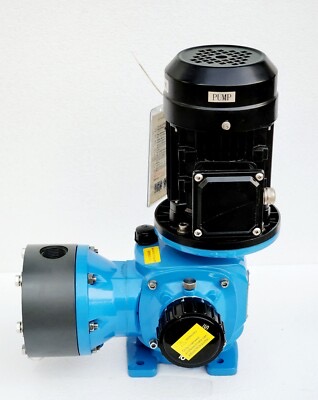
Understanding How Metering & Dosage Pumps Work
25 Sept 2026
A practical guide to metering and dosing pumps for Adelaide — how they work, how flow is controlled, pump types, Dosatron systems, and how to choose the right u...
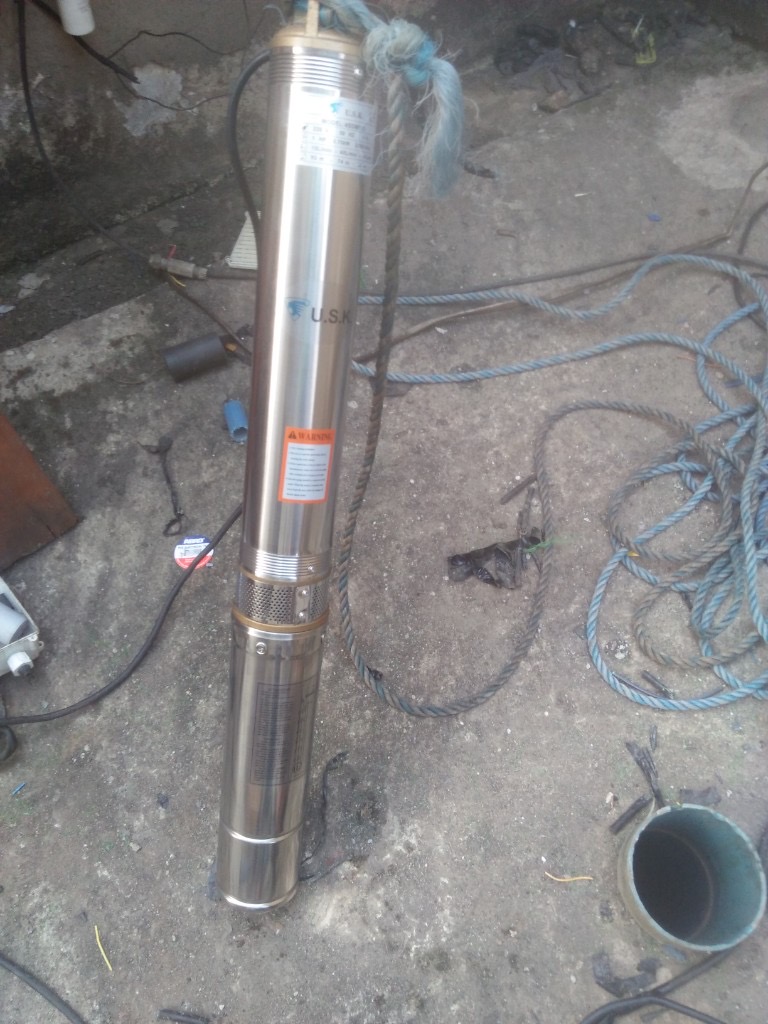
Is Your Bore Pump Failing? 7 Warning Signs to Check Before It Stops Working
3 Sept 2026
Bore pumps usually warn before they fail. Learn what low pressure, short cycling, air in taps, noise and breaker trips mean — and when to call a specialist.

Pump Repairs Near Me: Adelaide Pump Repair Specialists
7 Aug 2026
Local Adelaide pump repair specialists for sump, bore, pressure, pool and stormwater systems — diagnosis, repair, installation and maintenance since 2004.