Key Components When Designing a Pumping System
4 August 2026
Having a pumping system is all well and good, but having a pumping system that performs correctly during its peak period is what matters. Most of the time, a pumping system will quietly do its job, out of sight and out of mind, but when it needs to stand up and perform during a major rain event, for example, you need to know that the system will perform at its maximum ability.
In this article we go through some key considerations for both design and installation.
Liquid Temperature Entering the Pit
If we are designing a stormwater pumping station, the water will always be cold, so that is not a concern. But if we are designing a system for a building with a commercial kitchen and meat processing plants, temperatures can get higher. There are commercial dishwashers, sanitising processes and deep pot sinks that all get up to 99 degrees of water in them.
The positive is that the chamber will most likely be full of a lot of cooler water, so when the 99-degree water enters, it brings the overall chamber temperature down. Standard grinder pumps will comfortably work at temperatures of between 40 and 45 degrees.
We have in the past worked with high-temperature-rated pumps that will handle temperatures up to 70 degrees Celsius. Careful consideration needs to be given to the end user's objectives.
While working at Baker Lake, Nunavut, Canada, we worked with a variety of pumps across a range of temperatures. Inside the water treatment plants, there were Grundfos Smart Digital DDA dosing pumps for accurate chlorination of the filtered water from the lake, which worked in room temperatures of around 22 degrees Celsius.
External tanks that store the treated water had to be installed on 75mm thick polystyrene bases, with walls sprayed with 100mm thick foam insulation to prevent the treated water from freezing, as external temperatures can reach minus 70 degrees Celsius including wind chill. The Grundfos multi-stage CRE transfer pumps that then placed this water into the delivery trucks were dealing with water of around 2 to 3 degrees Celsius.
There was also a small toilet with a Grundfos Sololift 2 C-3 lifting station that transferred the waste into a storage tank, which would need to be vacuumed out when the high-level indicator turns on.
Flexible or Rigid Discharge Pipe Inside the Pit
Every situation is different when setting up a new pumping system. Things we consider when selecting a rigid or flexible discharge pipe are:
- Do the pumps sit on a flat base? If so, we could select a rigid pipe.
- How heavy are the pumps? If they are heavy, we would select a rigid pipe to make sure the pump stays attached to the discharge line.
- Will the pump sit on an uneven base? If yes, we will select a flexible pump hose to allow for any slight tolerances at the base of the chamber for the pump to still sit right.
- Diameter of discharge pump line? Typically, for anything over 50mm (2 inches), we will use a rigid pipe such as high-pressure piping to support the pressure coming through the pumped discharge line. In the past, we have used 100mm high pressure piping to support an 80mm discharge line from a Grundfos stormwater pumping system in Rose Park at the Queen Victoria Park Apartments.
- Ease of disconnection from the chamber. With the use of flexible hoses, we can attach cam lock fittings which allow for fast connect and disconnect of the pumps. In high-use areas such as public places, these are a good idea as the pumps are frequently being lifted out due to blockages from items that should not be going into the drains.
Sizing the Pump for the Job
In many small residential installations, we see that either a home handyman or homeowner has installed the pump and it is undersized and not a reliable brand of pump. When we talk about brands, manufacturers such as Franklin Electrical, Grundfos, Pedrollo, Bianco, Sulzer, Ebara, Reefe, Bromic, Calpeda, Davey, Pentair/Onga, Xylem (Lowara/Goulds) and Zenox are commonly stocked by us as they are robust and reliable.
It is important to understand the peak demand that will be placed upon this pump and if a dual pumping system will be required to keep the chamber from spilling over during peak demands. Typically, a pump will come with a suggested discharge outlet. When we look at macerating pumps, most of these are sized with a 50mm outlet; bushing this back one size to 40mm is ok if required, but any smaller will start to put negative load onto the pump when cycling. Domestic submersible stormwater pumps commonly come with a 32mm outlet which is typically bushed back to 25mm for a blue line pump line to be installed.
If you are choosing between sewer and sump applications, start with our guide to sewer pumps vs sump pumps. For below-grade bathrooms and granny flats, see why a house may need a sewer ejector pump.
Float Position and Style
When we look at smaller pits in courtyards or for small catchment areas, it is important to make sure the float does not get obstructed. If a standard pump is used with a float on a piece of flex cable, nearly every time the sump will need to get 100% full before the float activates and then needs to be 100% empty before the pump stops running.
This can cause air locks and does not treat the property well during high rain periods. How we avoid this is by using a side float which glides up and down the side of the pump and can be set up to turn on and off at levels which suit the sump itself.
In commercial and industrial installations that we perform around metropolitan Adelaide and in rural and coastal locations across South Australia, there can be numerous floats used, provided the pit is large enough to allow the floats to perform their job and not get tangled up with each other. Typically, a pump will come with an automatic float, which we will install to be in the run position and override this via the wall-mounted control box, which then relies upon signals from the on and off floats installed inside the chamber.
Our Pirie Street sewer pump call-out shows how upgrading older teardrop floats and commissioning on/off and high-level alarm floats correctly is part of a durable commercial repair.
Head Pressure and Discharge Length
It is important to understand how high the submersible pump will have to lift the liquid to its destination and what the overall length of the run will also be. All these factors can be determined at the start of a project.
Particularly when we are planning a project in the CBD on a multi-storey building, it is crucial to know how many bends and offsets the discharge line will be performing, as we need to factor in frictional loss of the speed that the liquid will move at. All this will determine pump size, speed and pumped pipe diameter.
Inlet Position Into the Pit
Air locking of pumps can be a common issue if the pump is continually sucking the pit dry and if the inlet pipe to the chamber is at the wrong height. Ideally, the pipe coming into the chamber will be 500mm off the bottom of the pit floor.
Depending on the set-up and the chamber, some manufacturers have a pre-drilled inlet to the sump, and this is what their pumps work well with. Other factors may be on-site drainage levels which cannot be changed, and if these are deemed to be an issue for the pumps, there are alternative fittings and valves that can be fitted to the chamber to minimise air locks.
Venting
Will the below-ground chamber require venting to avoid excessive bacterial growth? If we look at grated stormwater pits, the answer is that it self-vents via the open grates.
But if we look at sealed gas-tight, trafficable lids, venting may play a role in the design. The vent may not necessarily come directly off the ejector pit, but it might be positioned somewhere along the actual drain to avoid siphonage and allow air flow into the tank itself.
Anti-seize Function
Will an anti-seize function be operational in the control board? The anti-seize function is important in commercial and industrial stormwater installations.
It is a function that discharges water for 5 seconds if the pumps have not been operating for 5 days. By pumping water for 5 seconds, it ensures that the pumps do not seize up in a scenario where the pumps may not operate for 3 or 4 months in some parts of South Australia in rural locations, for example.
We can install these into commercial sewer ejector stations, but the likelihood is that a sewer station will operate most days on large-scale installations in locations such as the CBD of Adelaide, North Adelaide and Glenelg where there are many multi-storey buildings with this type of set-up in their basements. Scheduled pump maintenance remains essential either way.
Need Help Designing a Pumping System in Adelaide?
If you are planning your next project and need the help of an expert pump specialist anywhere in South Australia, contact Mayfair Plumbing. We can help with the initial design all the way through to the final commissioning of the pumping system, no matter how small or large.
We specialise in rural and coastal work and carry a large range of parts and pumps for off-grid repairs. We have been involved with some of the state's most complex pumping setups, having worked at the SA Water wastewater treatment plants in Bolivar, Gumeracha, Hahndorf, Glenelg and Myponga.
Call us today on 0429 361 819 or request a quote to discuss your project.
What our customers say
We have used Aaron's service a few times now and he has always replied promptly, given a definite time, and fixed the…
A big thank you to Aaron. Out of 6 companies I'd emailed requesting a ballpark quote for a to-do listing, only Mayfair…
Related Posts
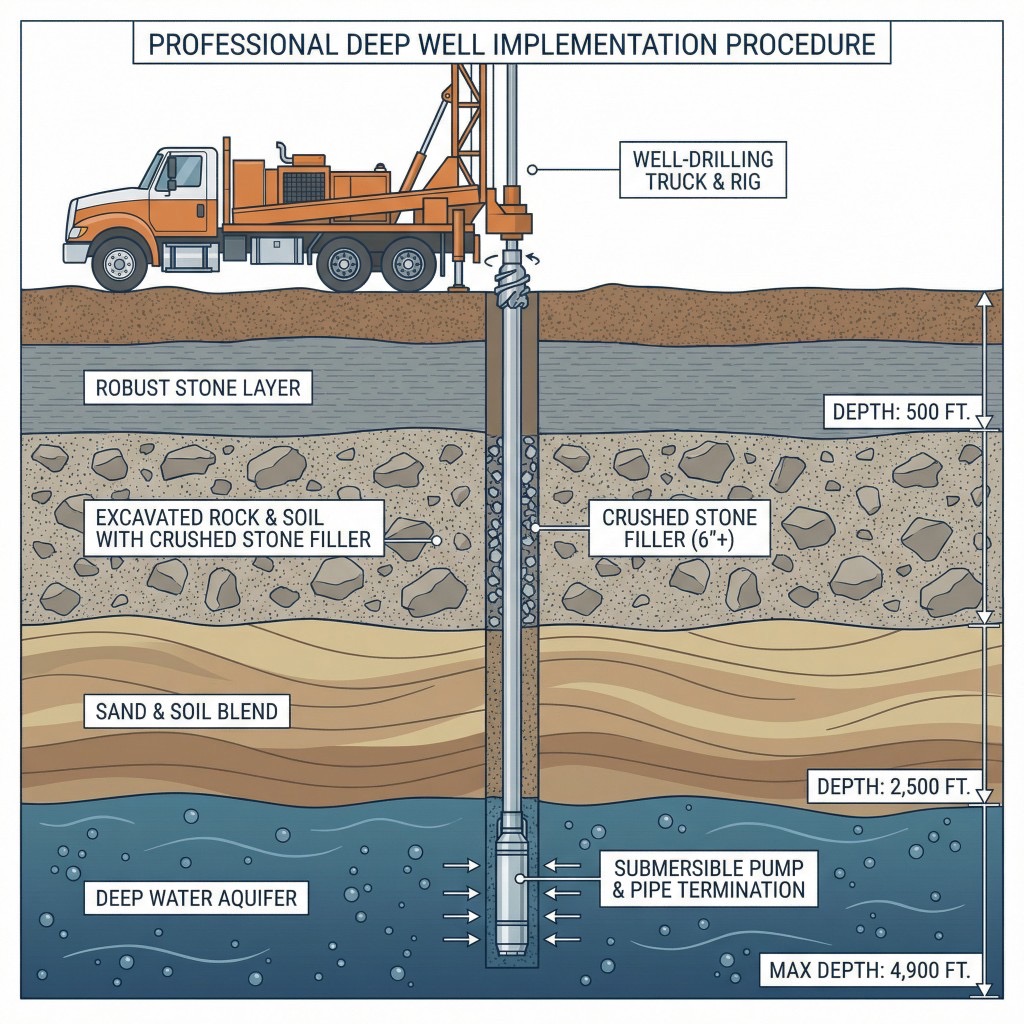
How To Prime A Bore Pump
20 Oct 2026
Bore pump running but no water at the sprinklers? Learn how to prime a surface bore pump safely, why pumps lose prime, and when it's time to call a technician.
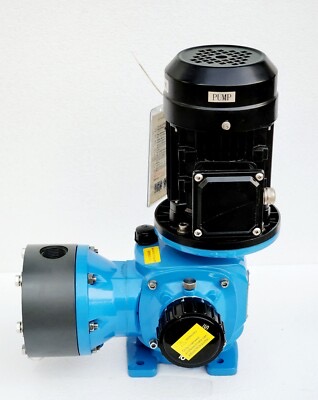
Understanding How Metering & Dosage Pumps Work
25 Sept 2026
A practical guide to metering and dosing pumps for Adelaide — how they work, how flow is controlled, pump types, Dosatron systems, and how to choose the right u...
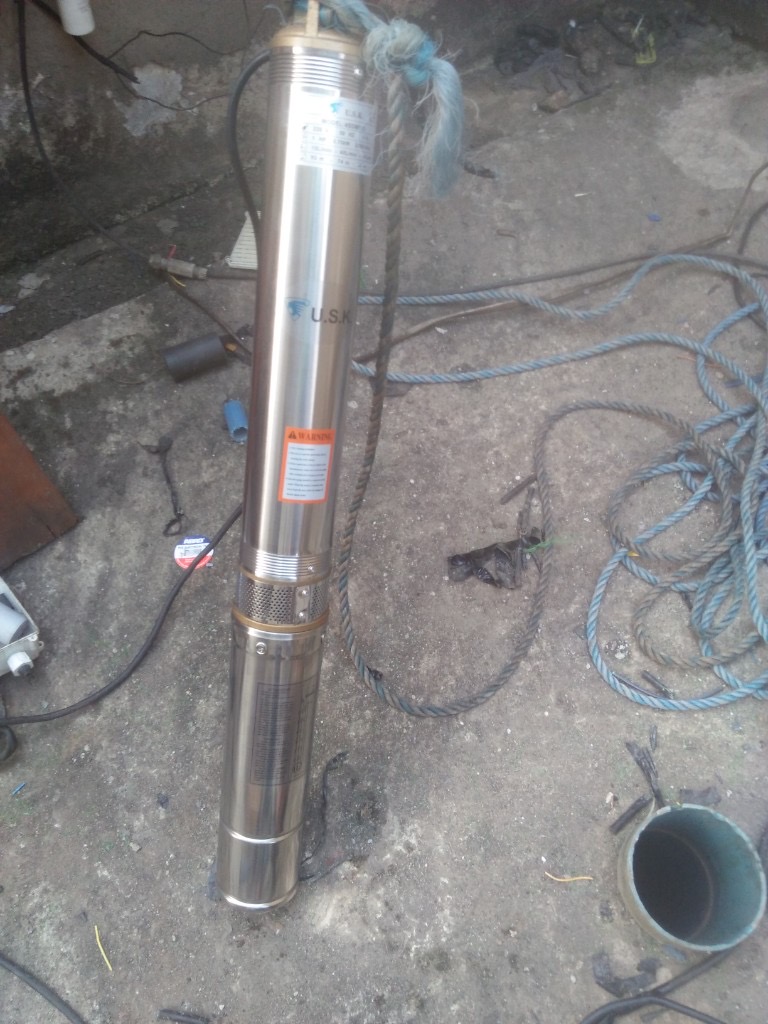
Is Your Bore Pump Failing? 7 Warning Signs to Check Before It Stops Working
3 Sept 2026
Bore pumps usually warn before they fail. Learn what low pressure, short cycling, air in taps, noise and breaker trips mean — and when to call a specialist.